
The Lab Team
Meet our dedicated team
People
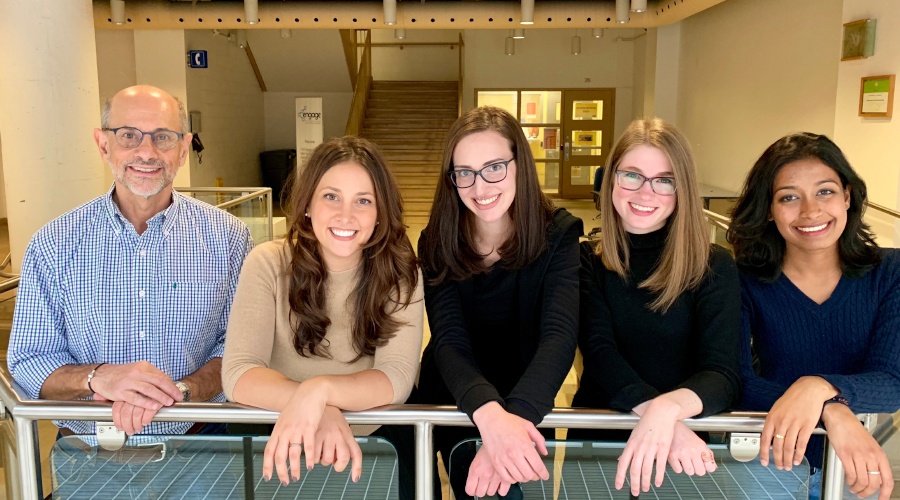
The people who populate the Psychology of Criminalized and Risky Behaviours (PoCaRB) Lab include the lab director, graduate students, honours thesis students, volunteer research assistants, and research practicum students. Details about the PoCaRB Lab members can be found in the links below.
- All Members
- Undergraduate Thesis Students
- Graduate Students
- Research Assistants
- Alumni
Lab Director
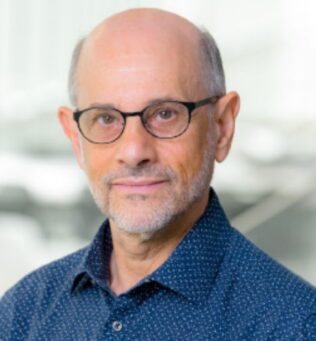
David M. Day, PhD, CPsych
dday@torontomu.ca | (416) 979-5000, ext. 557104 | Curriculum Vitae
Biography
I have been a faculty member at Toronto Metropolitan University (formerly Ryerson University) since 1998. Prior to starting at Toronto Metropolitan University, I worked at two children’s mental health centres in Toronto, as the Director of Research at Earlscourt Child and Family Centre (now the Child Development Institute) and as a Research Associate at the Hincks-Dellcrest Centre. I also worked as a staff psychologist at a medium security prison for adult male offenders in Ontario. I received my Ph.D. in 1990 in applied social psychology from the University of Windsor.
Research Interests
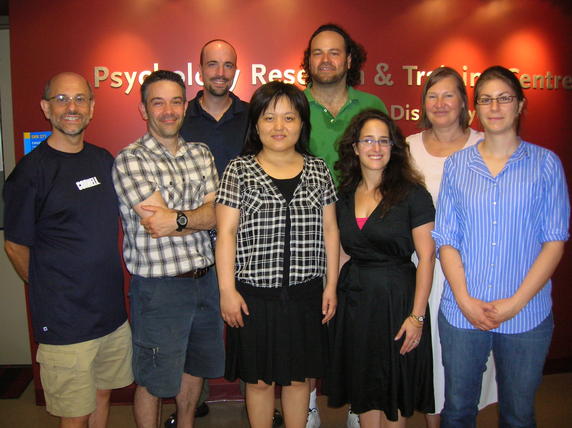
My research interests mainly address issues pertaining to children and youth, often with an applied focus, including antisocial and criminalized behaviour. in 2019, with funding from the Law Foundation of Ontario, I completed a two-year program evaluation of the Cross-Over Youth Project (COYP) in Toronto, along with Dr. Arla Good, and graduate student, Amy Beaudry. I also completed an evaluation of a school-based program on stress and coping among students in Grades 9 and 10. I conducted this study with two graduate students, Amy Beaudry and Alanna Singer. The project was funded by the Strong Minds Strong Kids, formerly The Psychology Foundation of Canada. With my colleague, Dr. Trevor Hart, I conducted a study to test a model of risky sexual risk and injury-related risk behaviours in a sample of justice-involved youth. I have also worked with Dr. Rob Muller, from York University, to investigate the impact of residential and day treatment among children involved in children’s mental health centres. As well, I have collaborated with colleagues at The Hincks-Dellcrest Centre (now part of Sick Children’s Hospital), the University of Toronto, Laval University, and Carleton University on several studies of the criminal trajectories of 764 male offenders who had been sentenced to an open custody facility as a youthful offender between 1986 and 1996 (here is a photo of the research team). A copy of a report that we submitted to the National Crime Prevention Centre (NCPC), which partially funded the study, is available here. As well, another report we submitted to the Ministry of Children and Youth Services (MCYS) that describes the methodology and some findings of the study is available here. Several years ago, I completed a study with Dr. Chris Koegl on the costs of crime in Canada, using data from the trajectories study. This project was funded by the NCPC and was released by the NCPC in 2016. I also have collaborated with colleagues at OISE/UT and The Graduate Center, CUNY on a study of adolescents’ understanding of their nurturance and self-determination rights. Between 2020-2024, I held a SSHRC Insight Development grant to study successful aging and adaptive functioning over the life span among incarcerated men as a potential process variable associated with criminal desistance. Last, my 2019 book entitled Criminal trajectories: A developmental perspective, with Dr. Margit Wiesner, is available from New York University Press and Amazon. The book received a prestigious 2020 Outstanding Contribution Award from the Division of Developmental and Life-Course Criminology, of the American Society of Criminology.
Teaching Interests
My personal philosophy to both teaching and research is to consider the applications or uses of “knowledge” in psychology, (i.e., things we know) to new and different situations (e.g., do treatment gains made in prison apply to post-release life?), contexts (e.g., how does treatment work when applied to community-based rather than institutional-based program?), and populations (e.g., does our knowledge apply equally well to men as to women, adults as to children, one type of criminal offender as to another type of offender?). My teaching responsibilities are, at the graduate level, in: Special Topics in Social Psychology: Forensic Psychology (PS 8504) and Behavioural Disorders in Children (PS 8704), and at the undergraduate level, in: Psychology of Criminal Behaviour (PSY622), Social Psychology (PSY 124), Developmental Psychopathology (PSY 602), Advanced Seminar in Psychopathology (PSY 905), Advanced Seminar in Social Psychology (PSY 918), Introductory Psychology (PSY 102, PSY 202, and PSY 011), Perspectives in Psychology (PSY 105), and Community Psychology (PSY 808). I have also taught courses at the University of Toronto (Scarborough Campus), and the University of Windsor in child development, applied social psychology, statistics, and organizational psychology. I currently supervise four graduate students, Sofija Lavrinsek, Amy Beaudry, Meena Rangan, and Aaron Palachi, and one undergraduate student, Shania Hossainr.
Oh yes…I have an Erdős number of 4 thanks to Dr. Jeffrey Rosenthal who has an Erdős number of 3.
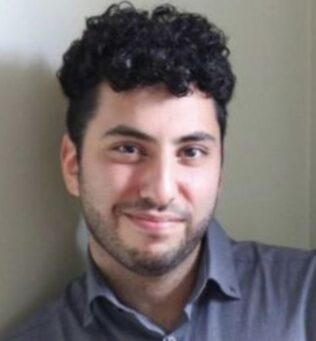
Aaron Palachi, MA
In Progress
PhD Clinical Psychology
Degrees
2019 Bachelor of Arts (Honours) Psychology, York University
2024 Masters of Arts in Psychology (Clinical) Toronto Metropolitan University
Research Interests
For his MA thesis, Aaron examined the role of learned helplessness as a barrier to setting prosocial goals in the employment domain among a sample of 61 male incarcerated people between 18 and 60 years of age at two correctional facilities in Ontario. Using a mediation analysis through structural equation modelling, learned helplessness and depression were evaluated as independent predictors of diminished motivation in incarcerated people as mediated by human agency. The results indicated that human agency did not mediate the relationship between depression, learned helplessness, and goal attainment. However, there was a significant main effect between learned helplessness and depression with human agency.
Publications
Day, D. M., Luxor, O., & Palachi, A. (2024). Personal similarity based on dog ownership and age and attribution of responsibility for a domestic violence incident: A test of the Defensive Attribution Theory. Current Research in Social Psychology, 33, 24-34. https://crisp.org.uiowa.edu
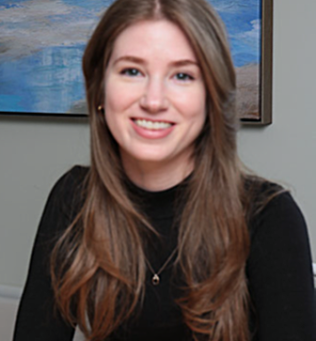
Amy E. Beaudry, PhD
Completed
2025 PhD Clinical Psychology, Toronto Metropolitan University
Degrees
2019 MA Psychology, Toronto Metropolitan University
2016 BA (Honours) Psychology, University of Western Ontario
Research and Clinical Interests
Amy is interested in group process, the justice system, and program evaluation. For her undergraduate thesis, she researched executive functioning and its association with aggression in a sample of forensic psychiatric inpatients found not criminally responsible. During her Master’s, she examined the impact of the Cross Over Youth Project on stakeholders serving youth justice- and child welfare-involved youth. For her dissertation, she is investigating the virtual iteration of an intervention for perpetrators of intimate partner violence.
Clinically, Amy has predominantly focused on working with children, adolescents, and young adults in public organizations. She has completed practica at St. Michael’s Hospital, Reach out Centre for Kids (ROCK), and the Centre for Addiction and Mental Health (CAMH). She recently finished her predoctoral residency with the Waterloo Region Psychology Consortium where she participated in a diverse set of rotations at the Waterloo Region District School Board, Starling Community Services (formerly Lutherwood), and Grand River Hospital. Some of her top influences include Dr. Ross Greene and Dr. Russell Barkley.
Research Support
2023-2024, Canadian Psychological Association’s Student Section Research Grant
2021-2024, Joseph-Armand Bombardier Canada Graduate Scholarship Doctoral Award
2021-2022, Jackman Foundation Psychology Graduate Student Research Excellence Grant
2020-2021, Ontario Graduate Scholarship
2019-2020, Ontario Graduate Scholarship
2018-2019, SSHRC Joseph-Armand Bombardier Canada Graduate Scholarship
2017-2018, Ontario Graduate Scholarship
Peer-Reviewed Publications
Good, A., Beaudry, A. E., Day, D. M. (2023). Five key learnings from a court-based crossover youth program. Children and Youth Services Review, 155, 1-6.
Unpublished Research Reports
Day, D. M., Beaudry, A. E.,& Singer, A. (2020). Evaluation of Stress Lessons: Tools for Resiliency: A resource for Grades 9 to 12. Final research report submitted to Strong Minds Strong Kids, Toronto, Ontario. (71 pages).
Oral Presentations
Singer, A., Beaudry, A. E., & Day, D. M. (2021, May 7). Stress Lessons: Evaluation of school-based intervention for stress reduction in students [Symposium]. Canadian Stress Research Summit, Toronto Metropolitan University, Toronto, Ontario.
Day, D. M., Beaudry, A. E., & Singer, A. (2021, January 28). Evaluation of Stress Lessons: Tools for Resiliency: A resource for grades 9 to 12. Oral presentation for the board of Strong Minds Strong Kids: Psychology Canada, Toronto, Ontario.
Good, A., Beaudry, A. E., & Day, D. M. (2019, July 3). COY Project Evaluation. Oral presentation for the staff of the Crossover Youth Project, Toronto Metropolitan University, Toronto, Ontario.
Poster Presentations
*Starick, E., Beaudry, A. E., & Day, D. M. (2021, June 7-25). Stressed out at school: The negative relationship between high school students’ perceived stress and school engagement [Poster presentation]. Canadian Psychological Association, Virtual.
Day, D. M., Beaudry, A. E., Singer, A., & Starick, E. (2021, June 7-25). Testing potential mechanisms of adaptive coping in mid-adolescence [Poster presentation]. Canadian Psychological Association, Virtual.
Beaudry, A. E., Good, A., & Day, D. M. (2019, May 31-June 2). The impact of a program for crossover youth on stakeholder collaboration, knowledge, skills, and attitudes [Poster presentation]. Canadian Psychological Association Conference, Halifax, NS, Canada.
Good, A., Beaudry, A. E., & Day, D. M. (2019, May 31-June 2). Racial disparities in the experiences and outcomes of the Crossover Youth Project [Poster presentation]. Canadian Psychological Association Conference, Halifax, NS, Canada.
Day, D. M., Eaton-Kent, M., Beaudry, A. E., & Good, A. (2019, May 31-June 2). Access to justice denied!: The case of crossover youth in Ontario [Poster presentation]. Canadian Psychological Association Conference, Halifax, NS, Canada.
Lavrinsek, S., Beaudry, A. E., Day, D. M., & Muller, R. T. (2018, November 17-18). The impact of change in emotion regulation on the developing therapeutic alliance with a primary worker for children receiving intensive mental health services [Poster presentation]. Ontario Psychological Association Conference, Toronto, ON, Canada.
Beaudry, A., Shumlich, E., & Reid, G. (2016, May 6). Executive functioning and aggression in forensic psychiatric inpatients: The role of inhibition [Poster presentation]. Psychology Undergraduate Thesis Conference, Waterloo, Ontario.
*Supervised student.
Photo unavailable
Meena Rangan, MA
In Progress
PhD Clinical Psychology
Degrees
2020 Master of Arts, Psychology, Toronto Metropolitan University
2017 Honours B.Sc. in Biology and Psychology, McMaster University
Research Interests
For her undergraduate thesis, Meena was involved in the development of the Ontario Review Board (ORB) Database at St. Joseph’s Healthcare Hamilton. Using data from the ORB Database, she conducted a retrospective review of escapes amongst forensic patients who were under the purview of the ORB between 2013-2014. Specifically, her thesis examined those with a history of escape, as well as the characteristics of the individual escapes and escape attempts. She is currently interested in the role of development in the trajectory of individuals within the forensic system.
Photo unavailable
Sofija Lavrinsek, MA
In Progress
PhD Clinical Psychology
Degrees
2019 Master of Arts in Psychology (Clinical), Toronto Metropolitan University
2016 Honours B.Sc. with Specialization in Psychology, University of Ottawa
Research Interests
For her undergraduate thesis, Sofija was part of a team that conducted a file review of patients who were seen at the Sexual Behaviours Clinic at the Royal Ottawa Mental Health Centre. Her thesis examined the link between anxiety disorders and paraphilias. Sofija’s research interests include the role of mental illness in criminal offending and recidivism.
Research Support
2018-2019, SSHRC Joseph-Armand Bombardier Canada Graduate Scholarship
2017-2018, Ontario Graduate Scholarship
Photo unavailable
Shania Hossain, BA
Shania is currently working on her Honours Thesis in the PoCaRB Lab. Her study will examine the relationship between various personality characteristics (e.g., Dark Triad, risk-taking, and human agency) and acceptance of both rape myths and drunk driving myths. This research is motivated by the prevalence of violent crimes like sexual assault and drunk driving, which remain high in Canada and have not shown a decline. She aims to determine whether certain personality traits that are associated with acceptance of rape myths will also be associated with acceptance of drunk driving myths. She hypothesizes that participants with higher levels of Dark Triad traits, Sense of Agency, and Risk Taking will show greater belief in both rape myths and drunk driving myths.
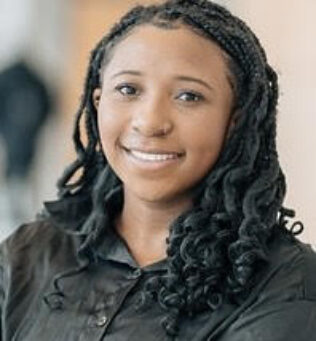
Ann-Marie Paris
Ann-Marie is currently completing her fourth year in Psychology. She has an interest in social and criminal psychology, particularly in relation to vulnerable populations in society and within the criminal justice system. Currently, Ann-Marie is working on a fourth-year Honours Thesis in the area of social psychology. She is examining the role of Afrocentric features and developmental upbringing in stereotypical perceptions of Black women in social situations.

Research Assistant
Mejor Kirushnapillai
Mejor is a second-year undergraduate psychology student who is volunteering with the PoCaRB Lab. Her responsibilities include carrying out a study of myths about sexual assault and about drunk driving. She has always been a passionate advocate for destigmatizing mental health, especially among immigrant families like her own. She particularly enjoys learning about behavioural psychology and find the various ways people learn behaviours from others intriguing. She is interested in working with abused and neglected young children and hope to someday become a clinical child psychologist.